Beyond Disruption: The Fed's Fintech Revelation - #FintechPhilly
Okay, everyone, buckle up! I just got back from diving deep into the Philadelphia Fed's Fintech Conference, and I'm buzzing. We're not just talking incremental improvements here; we're talking about a fundamental reshaping of finance, a "creative destruction," as Schumpeter called it, that's both exhilarating and, let's be honest, a little nerve-wracking. But I'm here to tell you why I think this isn't a threat, but the biggest opportunity we've seen in decades.
Beyond Disruption: Collaboration's Symphony of Innovation
Beyond Disruption: A Symphony of Innovation Forget the doom-and-gloom headlines about robots stealing jobs and algorithms taking over the world. What I saw at the conference was something far more collaborative, more human. Paulson's opening remarks really hit home: this isn't about one sector winning and another losing; it's about a "sustained cross-disciplinary collaboration" that creates a financial system that's *better* for everyone.Fintech: Leveling the Playing Field for Everyone
Fintech: Solving Real-World Problems Think about it: Fintech isn't just about flashy apps and cryptocurrencies. It's about using technology to solve real-world problems, to expand access to financial services for those who've been historically excluded. That's the big idea here. We're talking about a financial system that's more inclusive, more efficient, and more responsive to the needs of individuals and communities.Creative Destruction: Building a Better Financial Future
Creative Destruction and Adaptation And that's where the "creative destruction" comes in. Yes, some traditional financial institutions might struggle to adapt, but the conference highlighted how many are already partnering with fintechs to offer larger credit lines to customers with low or missing credit scores *and* improving their risk assessment in the process. It's like the shift from horses to cars, sure, some blacksmiths went out of business, but it paved the way for a whole new world of transportation and economic opportunity. The point is, change is always disruptive, but it's what we *do* with that disruption that matters.Finance Evolved: Building a Better System, Not Burning it Down
Evolution, Not Revolution The conference made it clear: the old model of finance, where access was limited and innovation was slow, is giving way to a new era of possibilities. But here’s the thing, and this is important: it’s not about replacing the old entirely. It's about building upon it, integrating the best of both worlds. We’re not talking about a revolution, but an evolution.Fintech: Our New Printing Press Moment?
Historical Parallels: The Printing Press Remember the printing press? When Gutenberg unleashed movable type, scribes freaked out. They thought their livelihoods were over. And yes, the world of manuscript production changed forever, but the printing press also democratized knowledge, sparked the Renaissance, and laid the foundation for the modern world. I see fintech as having a similar potential—it’s a technology that can empower individuals, foster innovation, and create a more equitable society, *if* we get it right.Safeguarding Progress: Ethical AI in Finance for All
Addressing the Risks But, and this is a big but, getting it right means addressing the risks. Data privacy, algorithmic bias, systemic risk – these are real concerns that need to be tackled head-on. As financial services become more digitized, we have to make sure we aren’t leaving anyone behind. We need to ensure that everyone has access to the tools and knowledge they need to participate in the new financial landscape.Building Trust: Clear Rules for a Financial Revolution
Regulatory Clarity and Consumer Protection The conference addressed a lot of these concerns, and it was great to see regulators, technologists, and consumer advocates all at the same table. I was particularly encouraged by the focus on regulatory clarity, especially around cryptocurrencies and stablecoins. We need clear rules of the road to foster innovation while protecting consumers and the financial system. Fintech Conference Explores Innovations, Regulation, and the Future of FinanceFintech's Promise: Seamless Finance for Everyone
A Vision for the Future of Fintech When I think about the future of fintech, I see a world where financial services are seamlessly integrated into our daily lives, where access to capital is democratized, and where financial institutions are more responsive to the needs of their customers. This is the kind of breakthrough that reminds me why I got into this field in the first place.A Financial Revolution: Building a Better Future, Together
It's About Building a Better Future Together What does all this mean? It means we're on the cusp of a financial revolution. It means the old ways of doing things are being challenged, and new possibilities are emerging. It means that we have the opportunity to build a more inclusive, more efficient, and more equitable financial system for everyone. And honestly? I can’t wait to see what happens next.
Related Articles
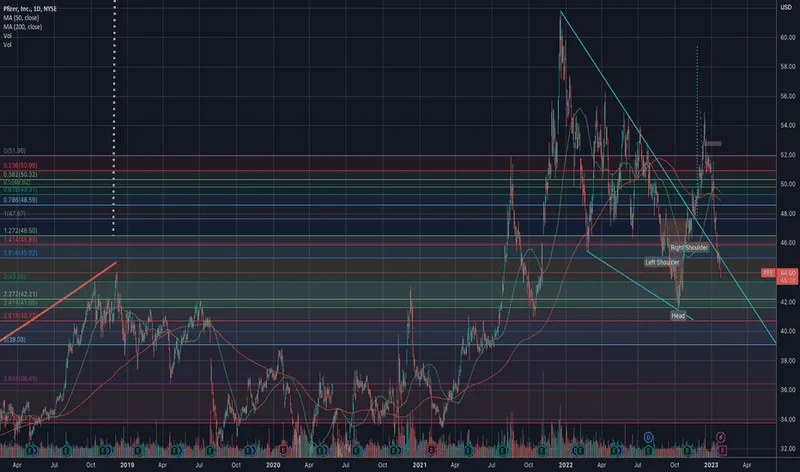
PFE Stock: Guidance Up, Sales Down - What's the Catch?
Pfizer's "Strong EPS Performance"? More Like Smoke and Mirrors Pfizer's patting itself on the back f...
Applied Digital's Earnings Report: What to Expect and What It Signals for the Future of AI
Yesterday, for a few dizzying minutes after the market closed, it looked like the story might be a s...
US Approves Nvidia Sales to UAE: An Analysis of the G42 Deal and Its Geopolitical Implications
It’s a familiar ritual for anyone in this business. The pre-market hum, the first cup of coffee, and...
Netflix Stock Split: What It Means for Earnings vs. Amazon
Netflix's 10-for-1 Split: A Masterclass in Financial Psychology or a Distraction? Netflix just annou...

The Surprising Tech of Orvis: Why Their Fly Rods, Jackets, and Dog Beds Endure
When I first saw the headlines about Orvis closing 31 of its stores, I didn't feel a pang of nostalg...
Arm Stock: Bullish Forecast? Yeah, Right.
Generated Title: Arm's AI Forecast: Or Just More Silicon Valley Hype? Okay, Arm's giving us the ol'...